Product design
Adjustments to VIP/Valet parking increase mall revenue
App fix prevents “invisible” losses
Year :
2025
Industry :
Malls Management
Client :
Allos
Project Duration :
3 weeks
Context
Allos is a shopping center management company that identified a recurring loss in one of its properties related to the use of valet parking.
The shopping center offered progressive parking benefits to customers registered in the app, according to their loyalty category:
Category 1: 10% discount on parking
Category 2: 50% discount on parking
Category 3: 100% (total exemption) on parking
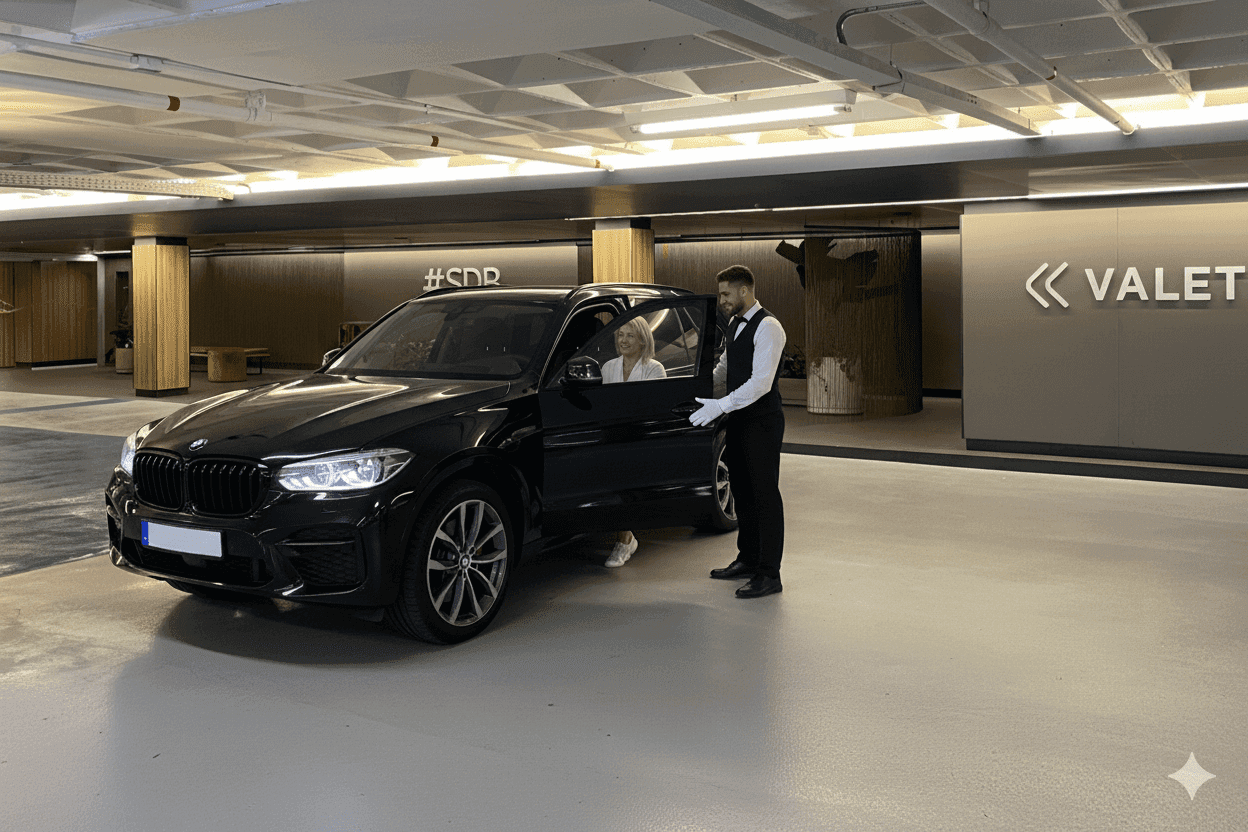
The problem arose because Category 3 customers, who had total exemption in regular parking, were also using the valet service, which is a separately charged service. However, the system did not differentiate the type of parking at the time of payment—allowing the exemption to be improperly applied to valet parking.
Challenge
The shopping mall was incurring financial losses because the system lacked any type of blocking or validation to prevent the use of the valet parking exemption benefit. The challenge was to correct this flaw quickly, securely, and without creating friction in the experience of legitimate customers.
Process
Fault Identification:
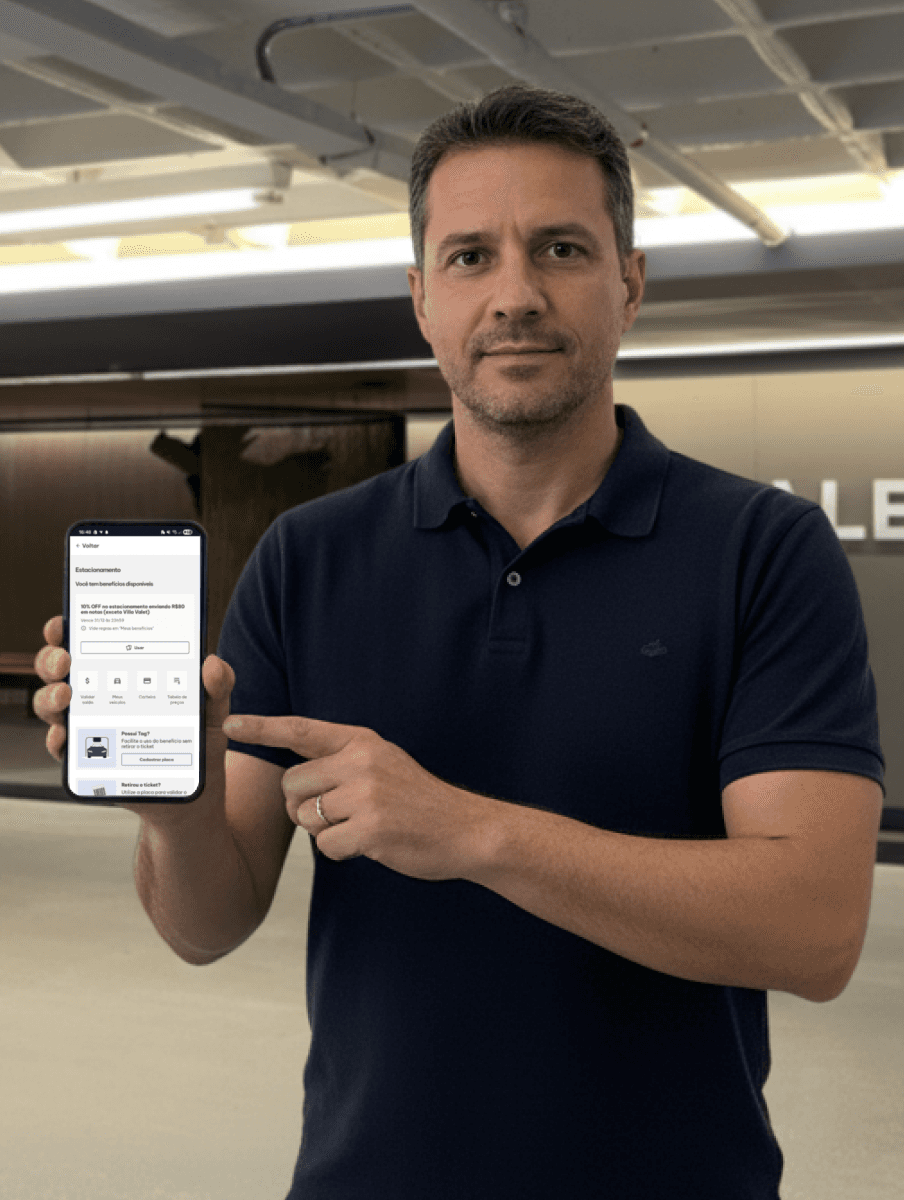
Together with the business and IT teams, we mapped the complete payment flow within the application and the parking control system.
System Behavior Analysis:
We discovered that the back-end applied discount logic globally, without differentiating between the type of parking service (conventional vs. valet).
Solution Proposal:
We defined a business rule in the system that blocks the application of exemptions when the identified service is "valet".
• Category 3 users would continue to have full exemption in regular parking.
• However, when using valet parking, the system would start charging the full amount corresponding to the additional service.
Implementation and Testing:
The rule was developed in partnership with the technical team.
We conducted A/B tests for a week, monitoring transactions and user feedback.

Results
After the correction and the new billing flow:
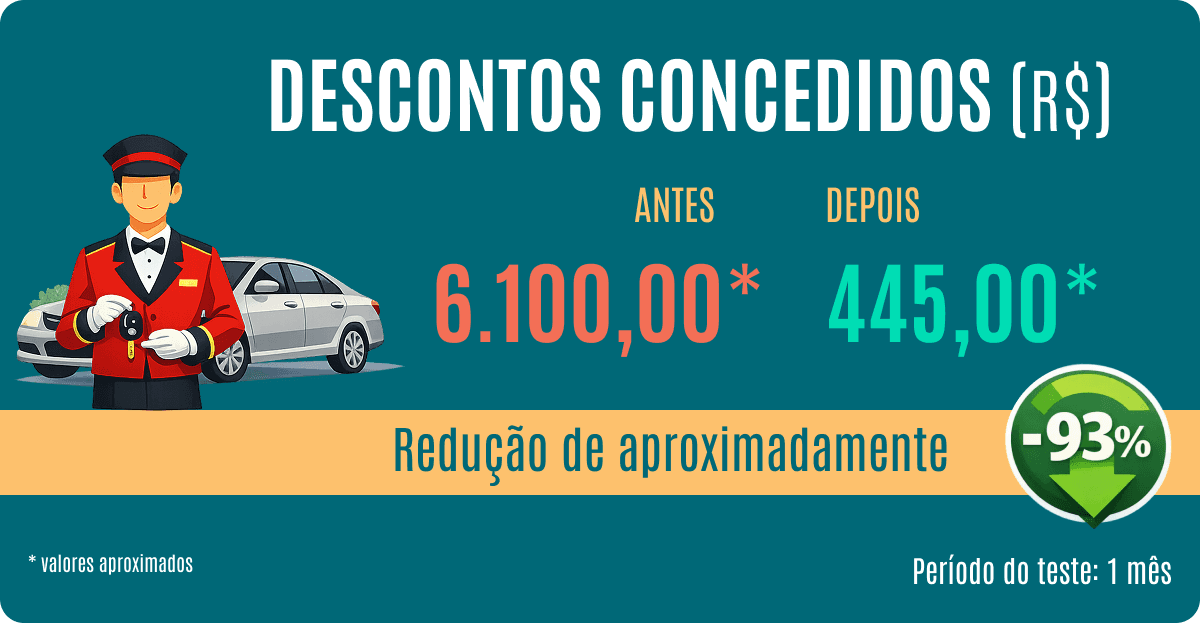
• The shopping mall stopped losing approximately R$ 5,600 (approximately USD 1000), an amount that was previously being improperly ignored by the system.
• The payment process became fairer, more transparent, and more sustainable for the business.
• The user experience remained fluid, without an increase in the volume of complaints or support requests.
The implementation was gradual (one Mall at a time) for greater control and risk management.
Learnings
• Small integration flaws between business rules and experience flows can generate large financial impacts.
• Collaboration between UX, business, and technology was essential to propose a solution that balanced experience and profitability.
• Implementing contextual validations (such as the type of service used) is a data-driven design practice that prevents losses and ensures consistency in the digital ecosystem.


Product design
Adjustments to VIP/Valet parking increase mall revenue
App fix prevents “invisible” losses
Year :
2025
Industry :
Malls Management
Client :
Allos
Project Duration :
3 weeks
Context
Allos is a shopping center management company that identified a recurring loss in one of its properties related to the use of valet parking.
The shopping center offered progressive parking benefits to customers registered in the app, according to their loyalty category:
Category 1: 10% discount on parking
Category 2: 50% discount on parking
Category 3: 100% (total exemption) on parking
The problem arose because Category 3 customers, who had total exemption in regular parking, were also using the valet service, which is a separately charged service. However, the system did not differentiate the type of parking at the time of payment—allowing the exemption to be improperly applied to valet parking.
Challenge
The shopping mall was incurring financial losses because the system lacked any type of blocking or validation to prevent the use of the valet parking exemption benefit. The challenge was to correct this flaw quickly, securely, and without creating friction in the experience of legitimate customers.
Process
Fault Identification:
Together with the business and IT teams, we mapped the complete payment flow within the application and the parking control system.
System Behavior Analysis:
We discovered that the back-end applied discount logic globally, without differentiating between the type of parking service (conventional vs. valet).
Solution Proposal:
We defined a business rule in the system that blocks the application of exemptions when the identified service is "valet".
• Category 3 users would continue to have full exemption in regular parking.
• However, when using valet parking, the system would start charging the full amount corresponding to the additional service.
Implementation and Testing:
The rule was developed in partnership with the technical team.
We conducted A/B tests for a week, monitoring transactions and user feedback.
Results
After the correction and the new billing flow:
• The shopping mall stopped losing approximately R$ 5,600 (approximately USD 1000), an amount that was previously being improperly ignored by the system.
• The payment process became fairer, more transparent, and more sustainable for the business.
• The user experience remained fluid, without an increase in the volume of complaints or support requests.
The implementation was gradual (one Mall at a time) for greater control and risk management.
Learnings
• Small integration flaws between business rules and experience flows can generate large financial impacts.
• Collaboration between UX, business, and technology was essential to propose a solution that balanced experience and profitability.
• Implementing contextual validations (such as the type of service used) is a data-driven design practice that prevents losses and ensures consistency in the digital ecosystem.
Product design
Adjustments to VIP/Valet parking increase mall revenue
App fix prevents “invisible” losses
Year :
2025
Industry :
Malls Management
Client :
Allos
Project Duration :
3 weeks
Context
Allos is a shopping center management company that identified a recurring loss in one of its properties related to the use of valet parking.
The shopping center offered progressive parking benefits to customers registered in the app, according to their loyalty category:
Category 1: 10% discount on parking
Category 2: 50% discount on parking
Category 3: 100% (total exemption) on parking
The problem arose because Category 3 customers, who had total exemption in regular parking, were also using the valet service, which is a separately charged service. However, the system did not differentiate the type of parking at the time of payment—allowing the exemption to be improperly applied to valet parking.
Challenge
The shopping mall was incurring financial losses because the system lacked any type of blocking or validation to prevent the use of the valet parking exemption benefit. The challenge was to correct this flaw quickly, securely, and without creating friction in the experience of legitimate customers.
Process
Fault Identification:
Together with the business and IT teams, we mapped the complete payment flow within the application and the parking control system.
System Behavior Analysis:
We discovered that the back-end applied discount logic globally, without differentiating between the type of parking service (conventional vs. valet).
Solution Proposal:
We defined a business rule in the system that blocks the application of exemptions when the identified service is "valet".
• Category 3 users would continue to have full exemption in regular parking.
• However, when using valet parking, the system would start charging the full amount corresponding to the additional service.
Implementation and Testing:
The rule was developed in partnership with the technical team.
We conducted A/B tests for a week, monitoring transactions and user feedback.
Results
After the correction and the new billing flow:
• The shopping mall stopped losing approximately R$ 5,600 (approximately USD 1000), an amount that was previously being improperly ignored by the system.
• The payment process became fairer, more transparent, and more sustainable for the business.
• The user experience remained fluid, without an increase in the volume of complaints or support requests.
The implementation was gradual (one Mall at a time) for greater control and risk management.
Learnings
• Small integration flaws between business rules and experience flows can generate large financial impacts.
• Collaboration between UX, business, and technology was essential to propose a solution that balanced experience and profitability.
• Implementing contextual validations (such as the type of service used) is a data-driven design practice that prevents losses and ensures consistency in the digital ecosystem.